
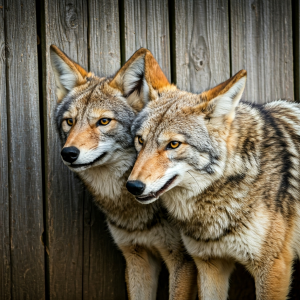
Yards on bluffs bring added challenges when you’re trying to keep coyotes out. Steep slopes, erosion-prone soils, and changes in visibility and access mean a standard backyard fence often isn’t enough. Start by walking the property and noting where the slope is steepest, where erosion or exposed roots show instability, and where gullies or brush provide easy approach routes. Identify paths, steps, or gaps in existing barriers that an animal could use, and think about sightlines—do you need visibility for monitoring or privacy that could hide wildlife? Also check local setback and permitting rules before any work begins.
For many bluffside properties the most effective approach is a continuous physical barrier that accounts for digging and the uneven ground. A tall fence—generally six to seven feet—with a reinforced lower section and a buried apron will discourage digging and tunneling. Use smaller-gauge hardware cloth or welded wire for the bottom two to three feet, and bury that material 12–18 inches down with an outward apron of a few inches to a foot to stop animals from digging under. On severe slopes, build the fence in shorter, segmented panels or use tensioned wire rather than long rigid runs so the structure can follow the terrain without putting excessive stress on posts.
Material choices matter. Galvanized welded wire or hardware cloth at the base prevents pawing or pushing through, while heavier-gauge welded or woven wire above provides the main barrier. Use sturdy posts—steel T-posts or treated timber—set deeply and braced for lateral loads; loose bluff soil often requires deeper footings or concrete anchors. For visibility and airflow, mesh-style fences are typically preferable to solid panels; solid fences can create hidden zones that encourage wildlife to probe for weak points. Where jumping is a concern, consider an outward-angled top or a taller barrier; in some cases an electrified top strand or buried shock line can add a deterrent, but check local rules and neighborhood safety first.
Fencing is only part of the solution. Remove attractants such as pet food, unsecured compost, fallen fruit, and easily accessed garbage. Trim dense brush and vegetation near the fence line so coyotes don’t have cover to approach unseen. Motion-activated lights or sprinklers at likely entry points can deter nighttime visits. DIY deterrents like noise devices or flashing lights sometimes work temporarily, but they’re best used in combination with a proper physical barrier rather than as a substitute.
When hiring a contractor, look for someone who understands bluff conditions and has relevant experience. Ask for examples of past work on steep or erosion-prone sites and request references. Verify licenses and insurance and ask to see certificates. A credible contractor will provide a written site assessment and a clear plan that addresses anchoring, burial depth for any apron, gate design, drainage, and a materials list. They should handle permits or at least explain what’s required and be willing to defer to a geotechnical engineer if your bluff looks unstable. Get itemized bids from multiple contractors so you can compare materials, excavation, and footing costs; beware of bids that seem unusually low.
Make sure the contract spells out scope, materials (brands and gauges where relevant), footing depths, burial depths, gate hardware, cleanup, timelines, payment schedule, warranty terms, and how change orders will be handled. On the job, confirm that posts are set to the agreed depths, that the mesh is continuous with no gaps, that the buried apron is installed and backfilled properly, and that gates close and latch without bottom gaps. Erosion-control measures—such as geotextile, temporary silt fencing, or plantings—should be used where the soil has been disturbed.
Once installed, inspect the fence every few months and after storms. Look for loose posts, gaps where animals have tried to dig, or areas where erosion has exposed the base. Re-bury or re-secure sections that show signs of animal activity and replace corroded fasteners or damaged mesh promptly. Keeping vegetation trimmed back preserves sightlines and prevents animals from exploiting cover to breach the fence.
Bluff installations cost more than flat-ground fences because of the extra work: excavation, stronger footings, erosion control, and the labor of working on a slope. Still, spending more up front on appropriate materials and installation typically reduces repair costs and improves long-term effectiveness. If you want, I can draft a short contractor questionnaire, a sample bid request email, or a one-page inspection checklist to bring to site visits.
Article written by Alien Fence. Call us at +1 (206) 474-9147 or fill out our contact form to get started. Let Alien Fence be your trusted partner for all your fencing needs in Seattle!