why fences lean

illustration
Fences

Affordable, Strong Fences: Smart Strategies for Budget-Conscious Homeowners

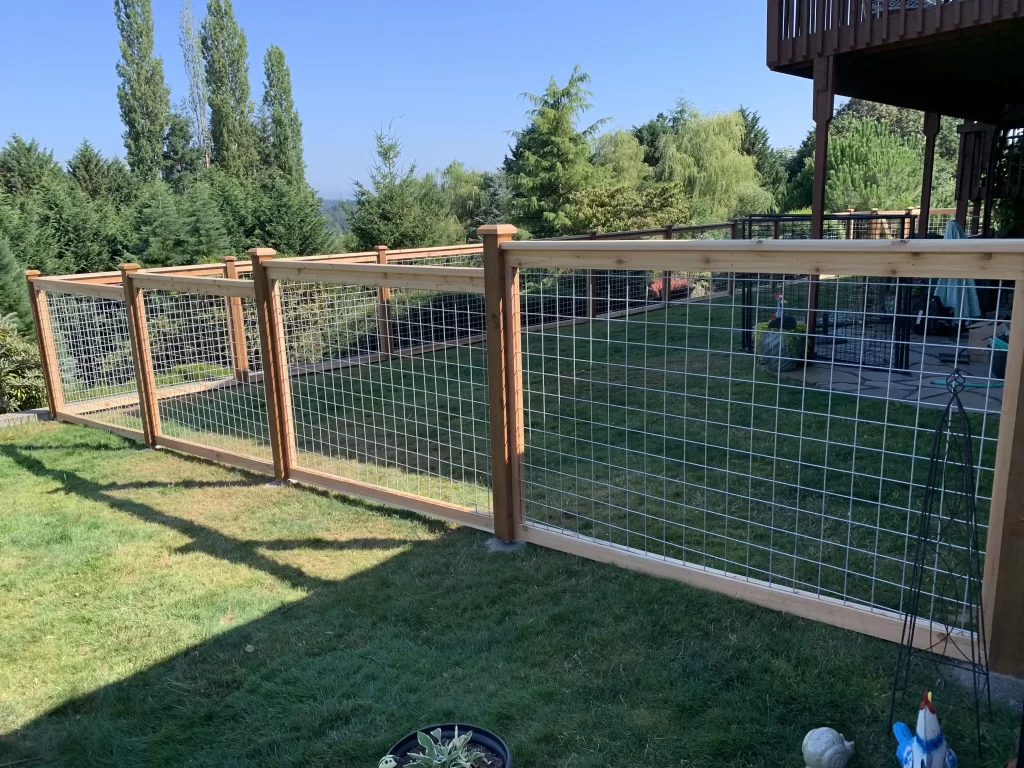
Building a fence on a tight budget doesn’t mean sacrificing durability or appearance. Start by planning carefully: measure your property line precisely, check local zoning and permit requirements, and map the shortest, most efficient fence line to reduce materials and labor. Choosing a simpler layout—straight lines instead of curves or complicated gates—cuts costs and makes installation faster, which saves on labor if you hire help. Also consider splitting the project into phases (e.g., fence posts and frame first, pickets later) so you can spread costs without compromising long‑term strength.
illustration
Fences

What a Leaning Fence Signals, and How to Fix It

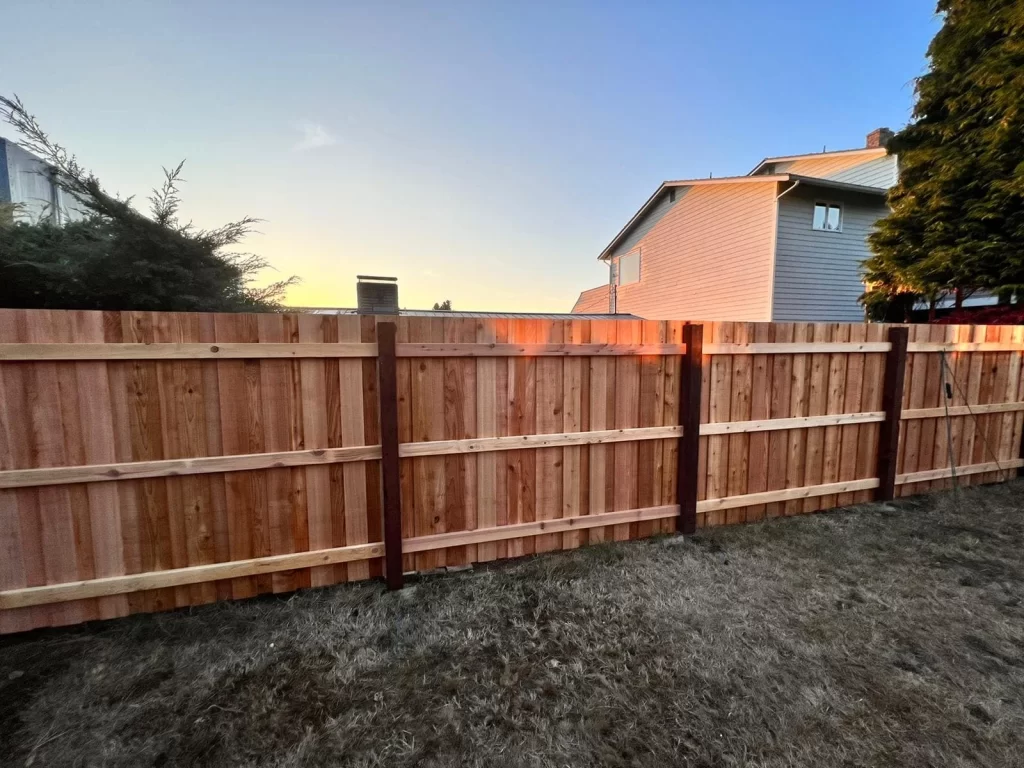
A leaning fence is more than an eyesore — it’s a visible sign that something beneath the boards has failed. Structural support failure is the most common cause: posts or footings lose their grip in the ground, allowing panels to tilt. Moisture and rot often attack wood posts at or below grade, weakening the post where it matters most. Soil movement or poor drainage — erosion, saturated soil, or freeze–thaw heaving — can shift posts, and improper installation such as setting posts too shallow or failing to compact backfill properly leaves them vulnerable. External forces like strong winds, gates that apply torque to hinge posts.

Scroll to Top