
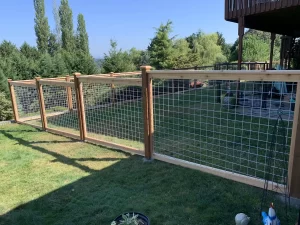
Building a fence on a tight budget doesn’t mean sacrificing durability or appearance. Start by planning carefully: measure your property line precisely, check local zoning and permit requirements, and map the shortest, most efficient fence line to reduce materials and labor. Choosing a simpler layout—straight lines instead of curves or complicated gates—cuts costs and makes installation faster, which saves on labor if you hire help. Also consider splitting the project into phases (e.g., fence posts and frame first, pickets later) so you can spread costs without compromising long‑term strength.
Material choice is the single biggest way to control cost without losing durability. Pressure-treated lumber for posts and framing is inexpensive and resists rot far better than untreated wood; use rot‑resistant species or cedar only for exposed boards if you want a nicer finish without treating every board. For panels, cheaper options like horizontal boards, pallet wood (inspected and cleaned), or prebuilt fence panels bought in bulk can lower per‑foot cost while still providing solid coverage. Metal options like chain link with privacy slats are often the most budget-friendly and long‑lasting for boundary and security needs.
Post quality and proper installation determine how long your fence will stand. Invest in fewer, higher‑quality posts (pressure‑treated or metal) and set them correctly in concrete to the proper depth for your frost line—this prevents leaning and early failure. Use gravel at the bottom of each hole for drainage, compact soil around posts, and use galvanized or stainless fasteners to avoid rusted connections that weaken over time. Proper post spacing—usually 6–8 feet for wood—lets you use thinner, cheaper rails while maintaining strength.
Reuse, repurpose, and shop smart to stretch your budget. Salvaged posts, reclaimed deck boards, and secondhand panels can be both sturdy and characterful if inspected and prepared. Local classified ads, salvage yards, and building‑supply closeout sections often have perfectly usable materials at a fraction of retail. Buy bulk fasteners and hardware, and look for seasonal sales or contractor leftovers (contractors sometimes sell surplus materials cheap). Also compare costs between buying raw materials vs. prebuilt panels—sometimes prebuilt is quicker and less wasteful, saving on both material loss and labor.
Simple design and smart reinforcement add strength without much expense. Use a three‑rail system instead of two, or add a bottom rail to prevent spade‑ing and sagging; diagonal bracing at gates dramatically extends their life without large cost. Reinforce corners and gate posts with additional concrete and cross‑bracing; gates are often the first failure point, so spending a bit more there prevents costly repairs. Finish exposed wood surfaces with an affordable sealant or stain—this upfront protection is cheap compared with replacing rotten boards later.
Labor choices have big budget impacts. If you can DIY even part of the job—digging post holes, setting posts, or attaching rails—you’ll save substantially. Recruit skilled friends for a weekend build and provide food and drinks as payment. When hiring, get multiple quotes, check references, and consider hiring a contractor for the most technical parts (like gate hanging or complicated terrain) while doing simpler tasks yourself. A hybrid approach often yields professional results at a fraction of full-contract costs.
Maintain your fence to maximize lifespan and minimize replacement expense. Keep vegetation trimmed away to prevent rot and pressure on panels, inspect for loose boards or rusted hardware annually, and touch up sealant or paint as needed. Small, timely repairs avoid major failures that require full section replacements. With basic upkeep, even budget builds can last many years.
By planning efficiently, choosing durable but economical materials, installing posts correctly, reusing materials, reinforcing smartly, and balancing DIY with targeted professional help, homeowners can build a strong, attractive fence without breaking the bank.
Article written by Alien Fence. Call us at +1 (206) 474-9147 or fill out our contact form to get started. Let Alien Fence be your trusted partner for all your fencing needs in Seattle!